
Illustrated drama guide
Chinese Costume Dramas: Palace, Wuxia & Xianxia
Costume drama describes a broad visual setting, not a single kind of story. A court mystery, a martial-arts journey and an immortal fantasy can all feature robes and traditional-looking architecture while asking very different questions. Choose the story’s rules and central conflict before choosing by its costumes.
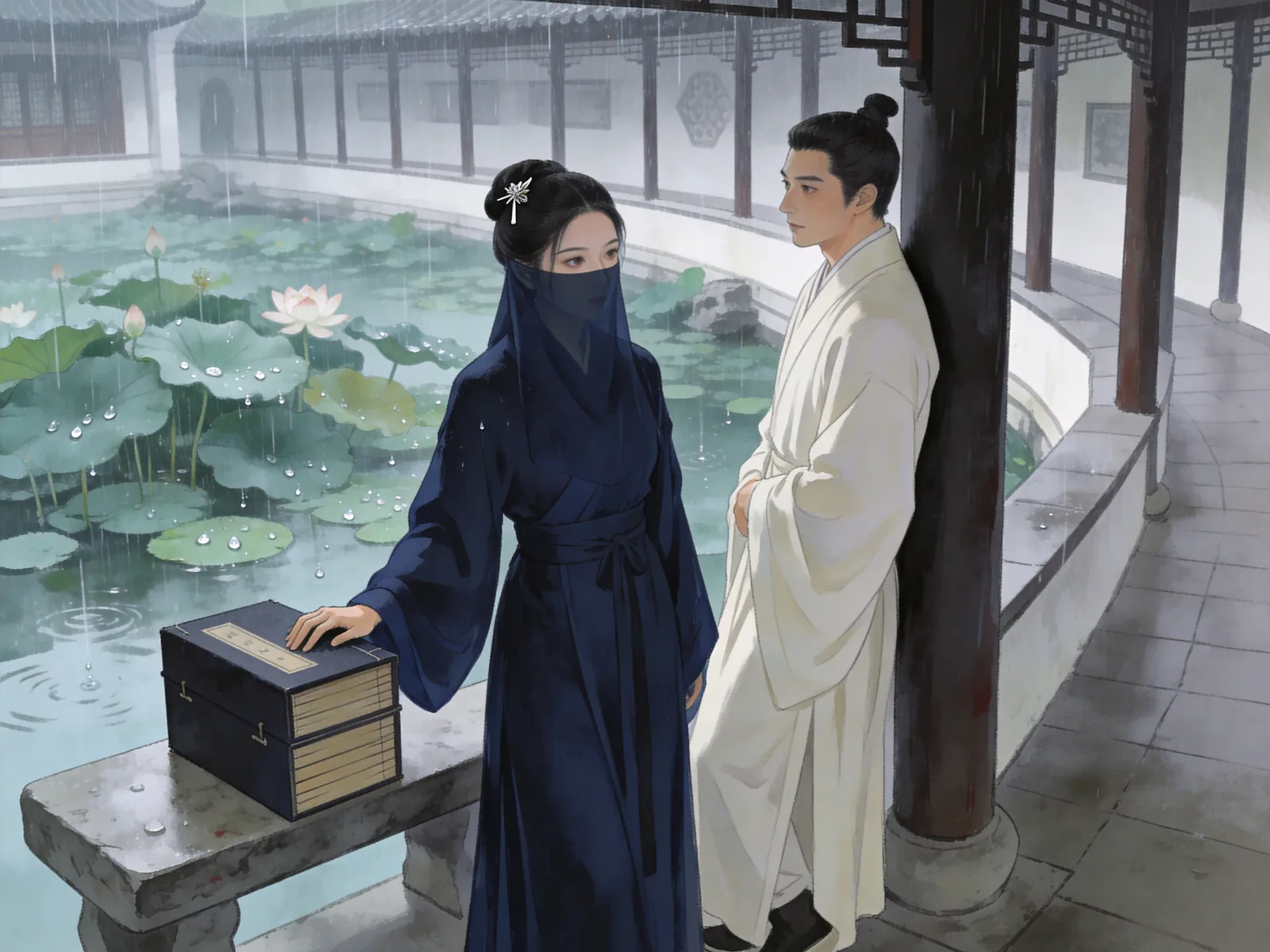
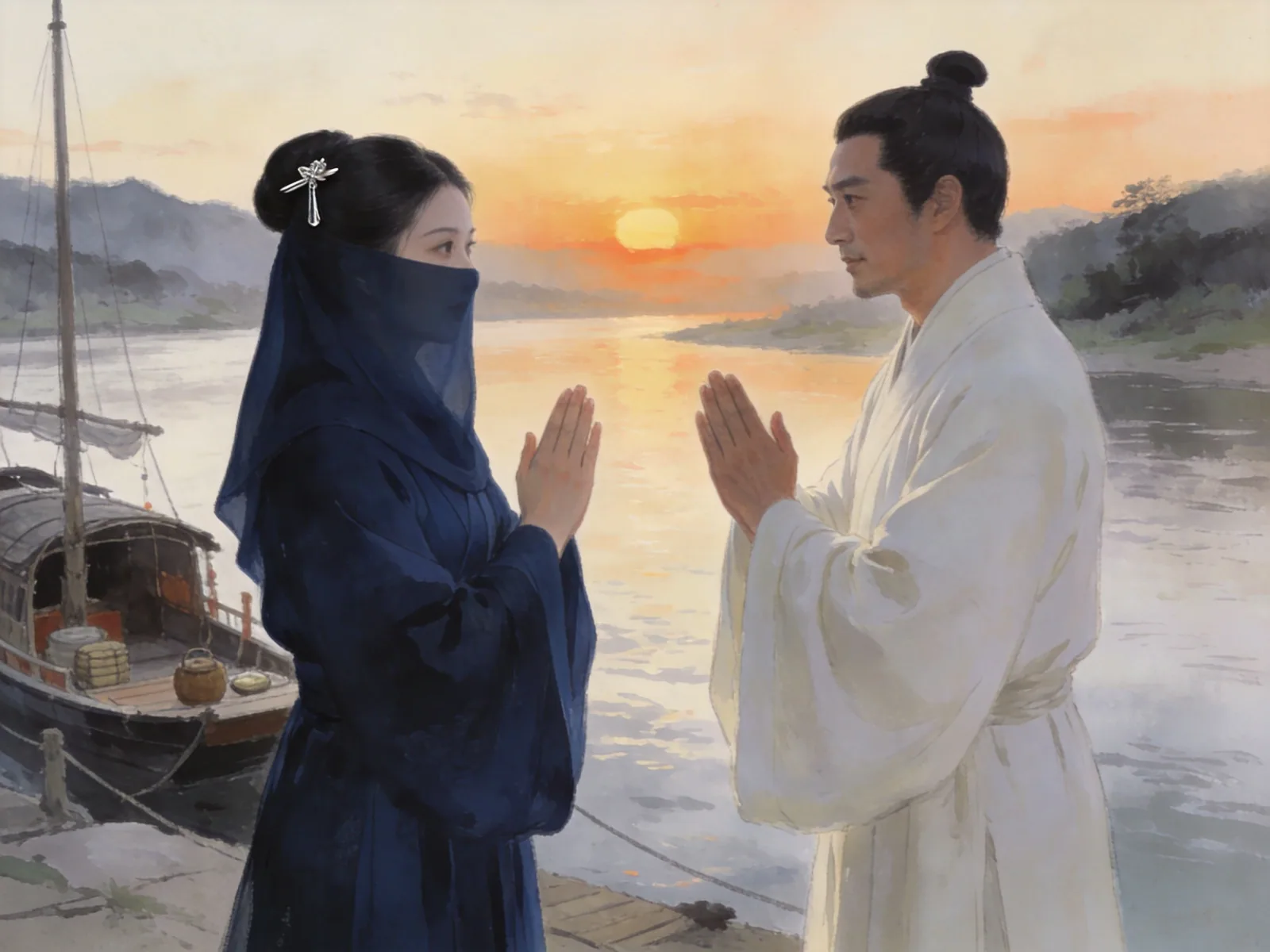
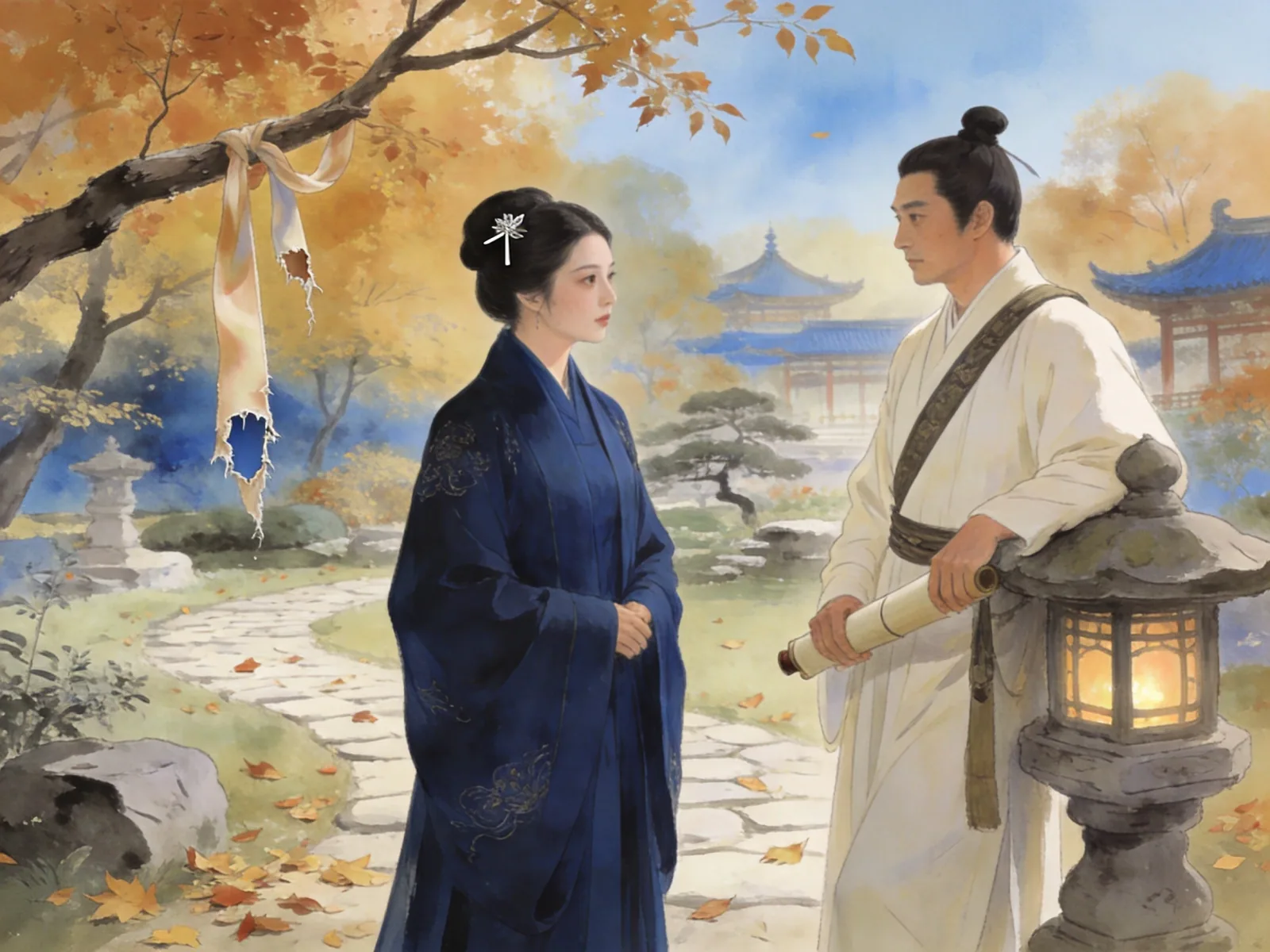
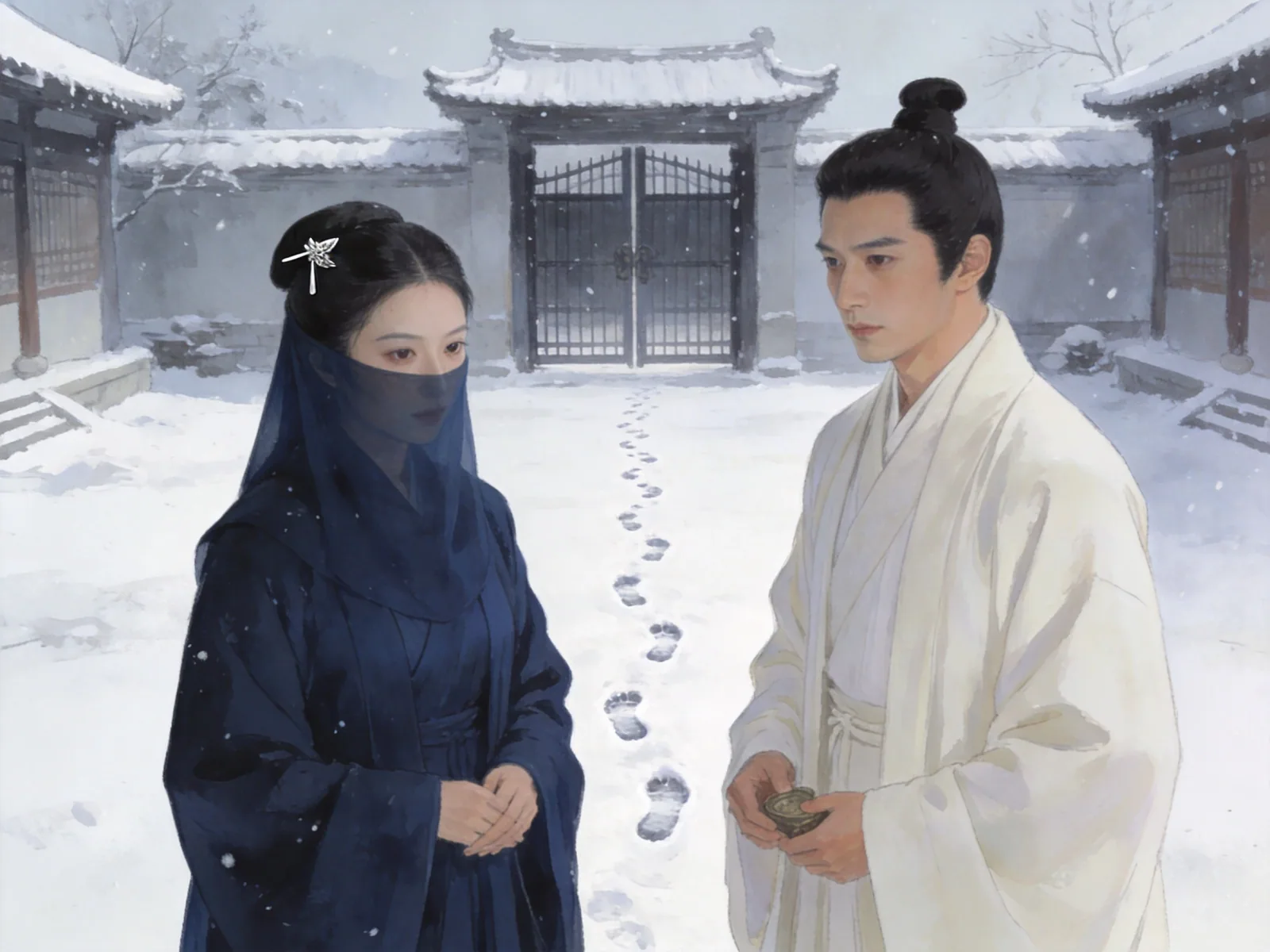
Original AI-created editorial illustrations. These pictures explore genre concepts; they are not screenshots, official posters or actor portraits from the recommended dramas.
Available titles to explore
These selections are based on the published title descriptions. Open a title to check its current episodes, preview format and language options.
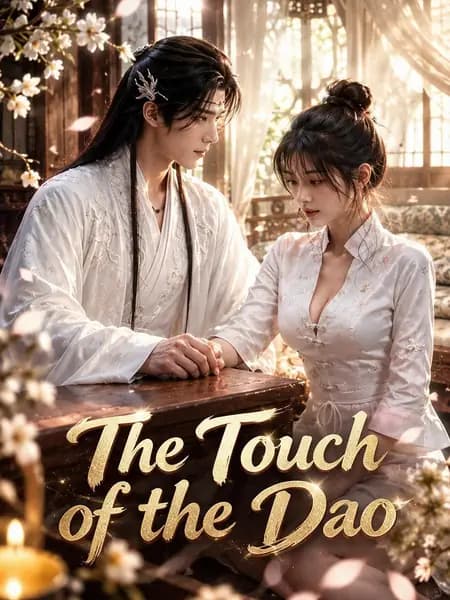
The Touch of the Dao
An untouched bell, a hidden letter and a visitor from the past establish a costume mystery. The current description identifies new character designs and Mandarin dialogue.
1 episode available · Chinese audio
View title and episodes →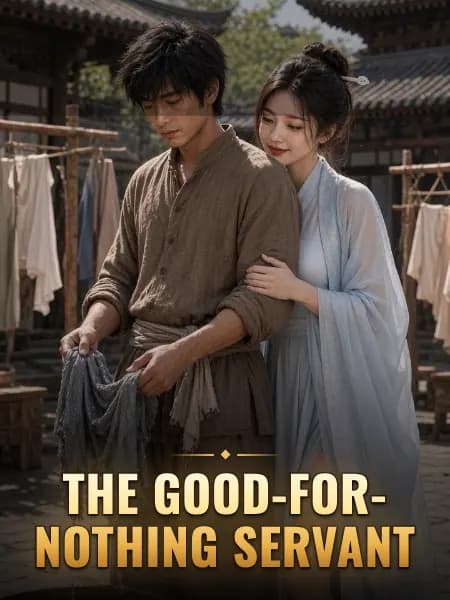
The Good-for-Nothing Servant
A servant’s life in a cultivator’s courtyard offers an intimate entry into an imagined cultivation setting. Use the title page for the currently released run.
10 episodes available · No dialogue
View title and episodes →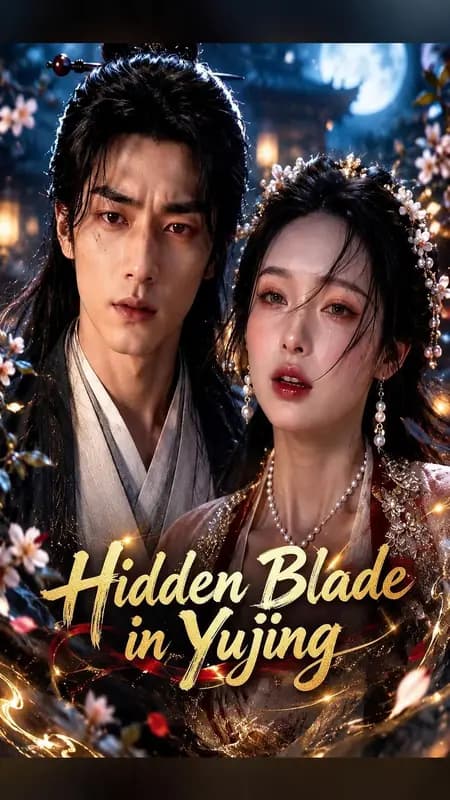
Hidden Blade in Yujing
Another title in the site’s costume and xianxia catalog. Compare its available episodes and viewing format with the other selections before starting a longer session.
10 episodes available · No dialogue
View title and episodes →Palace intrigue, wuxia and xianxia
A palace story often turns on rank, family obligations and information: who is allowed into a room, who controls a record, and who benefits from a public decision. A traditional-looking setting does not by itself make the events historical. Look for an identified period and sources before treating a fictional drama as an account of the past.
Wuxia commonly foregrounds martial skill, personal loyalties and the social world beyond official institutions. Xianxia adds a cultivation or immortal-fantasy framework, where advancement and supernatural rules may shape the conflict. Individual works mix these traditions, so the labels are useful starting points rather than rigid boundaries.
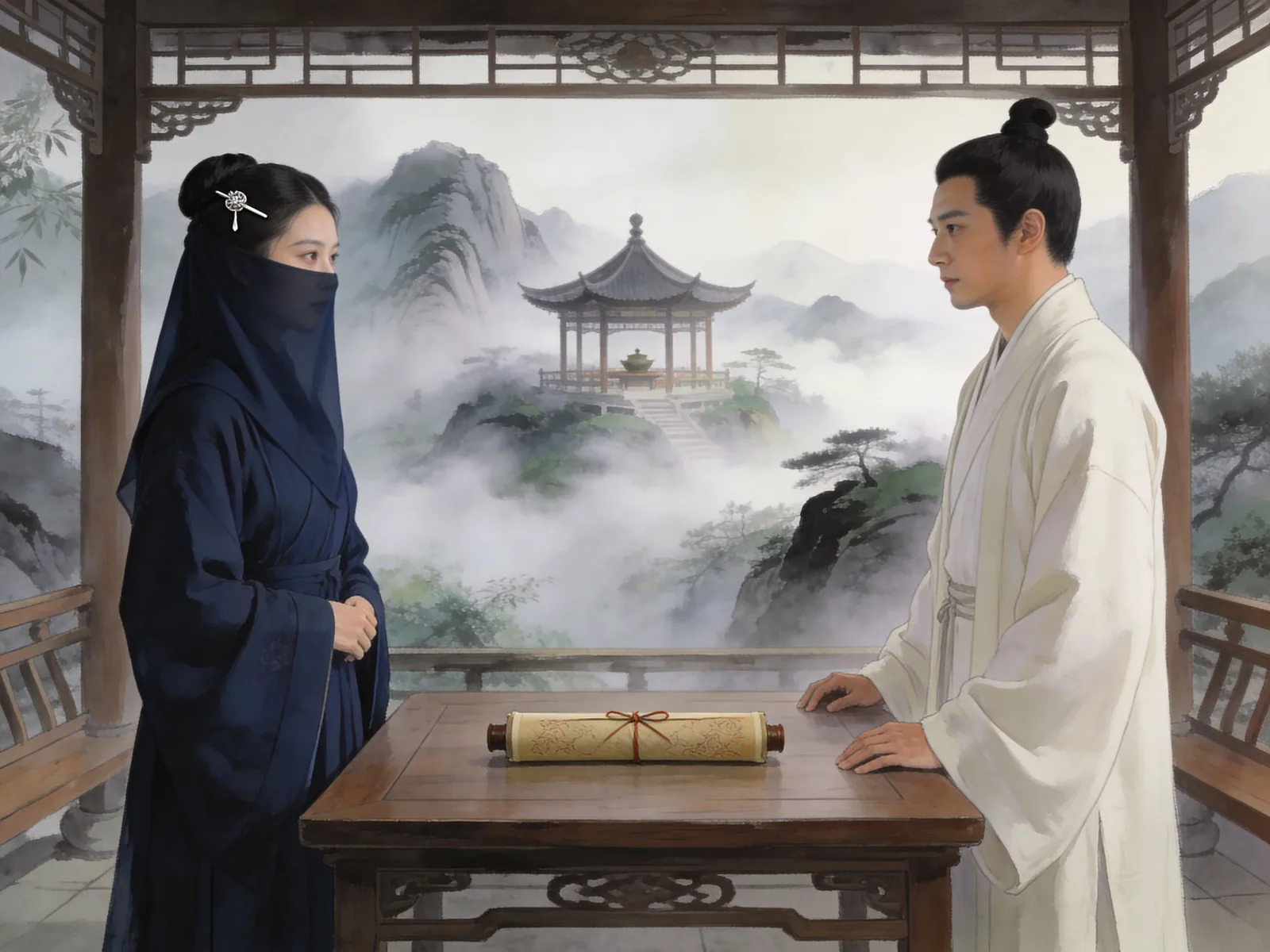
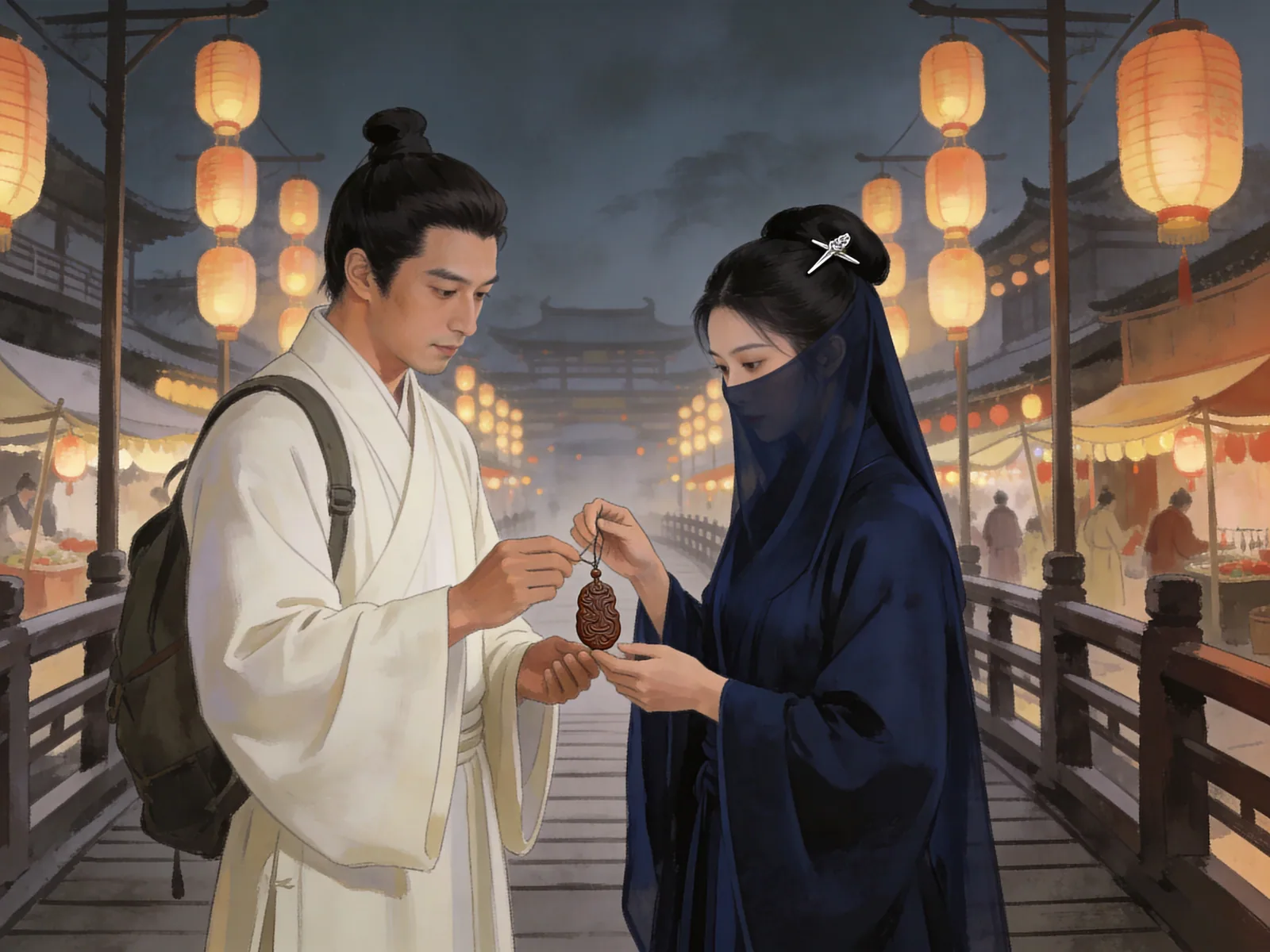
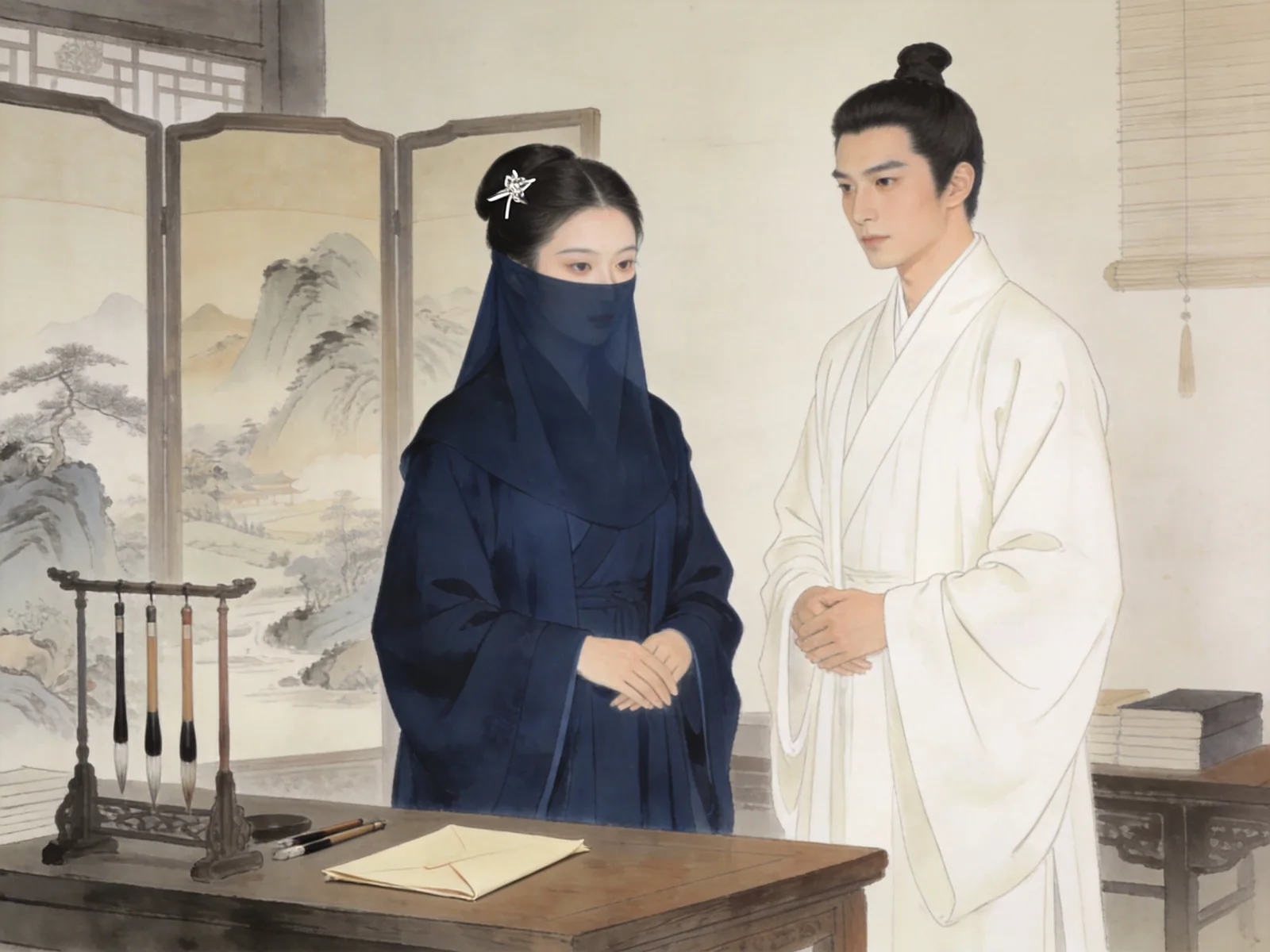
Build a world with architecture and meaningful objects
A covered corridor controls what the characters can see. An archive box gives a conversation a concrete subject. A ferry or mountain path can place a decision at the edge of a familiar world. The original illustrations use those details to distinguish a court mystery from a journey through an imagined landscape.
These are historically inspired fictional images. Their clothing and buildings are designed for visual storytelling and are not presented as verified reconstructions of a particular dynasty. A consistent location, prop and relationship matters more to the sequence than adding every recognizable costume-drama motif to one frame.
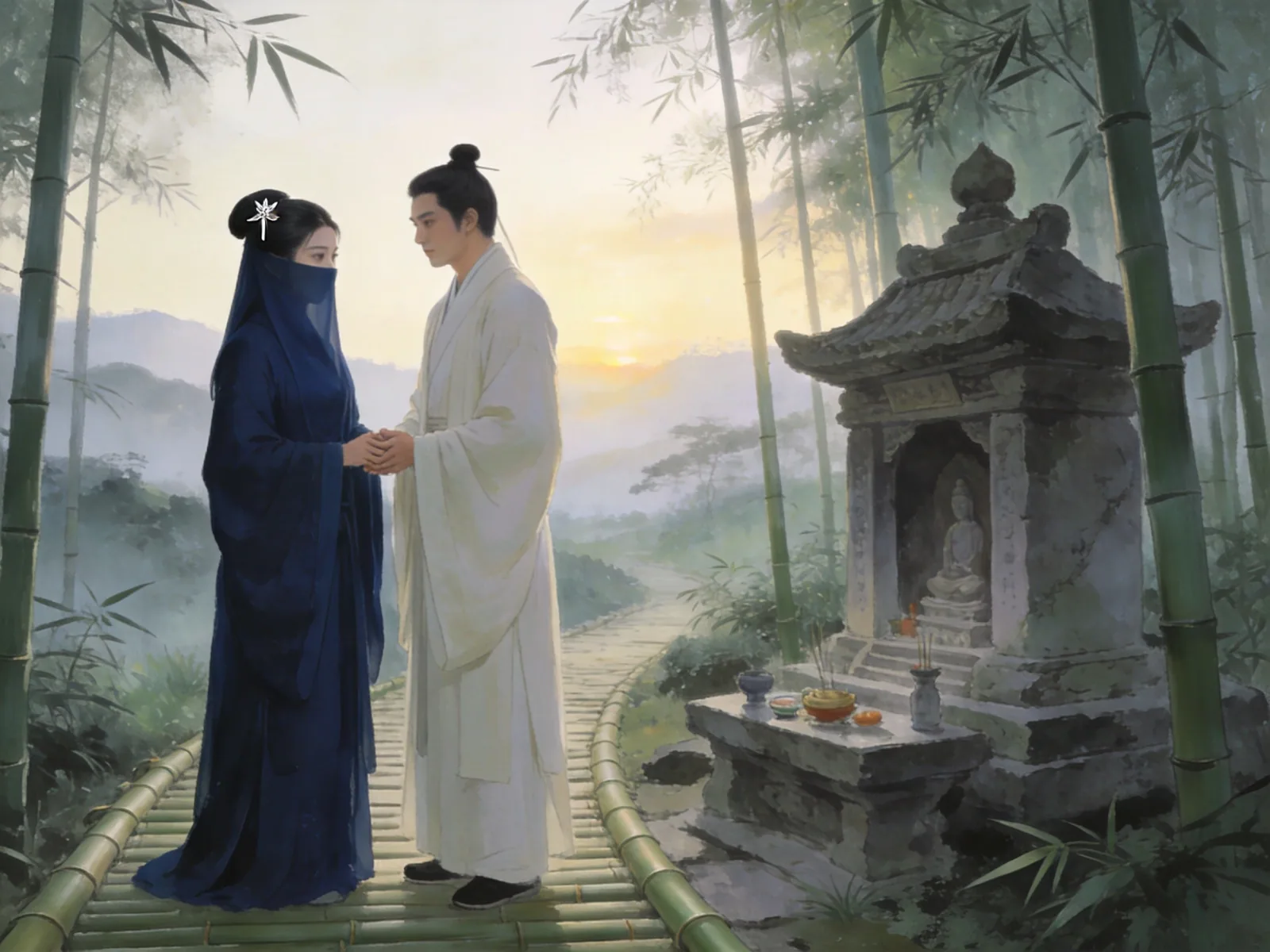
Check dialogue, subtitles and pace
Costume drama terminology can carry information about rank, relationships or a fantasy system. If you rely on subtitles, check availability across the episodes you plan to watch. A translated synopsis or subtitles on the first clip do not establish coverage of the whole released sequence.
Some short-form visual stories have little or no dialogue; others depend on conversations. Read the title’s language and availability labels, then play an actual episode to see which format suits you. The title list below uses live catalog information for published media rather than a fixed promise of a complete series.
Read an illustrated story summary
These are separate original story concepts from the site’s reading collection, not adaptations of the recommended dramas.
The Bookstore After Rain · A Letter 013
Among old books left out to dry after the rain, Su He finds a letter addressed to the bookstore; the reading event it mentions is the very one Xu Yan canceled at the last minute back then.
Read the story summary →The Park at Dusk · Reunion 010
In a park at dusk, Jiang Yao searches for records of migratory birds that have vanished, encounters Gu Ning, who once argued with them over observation results, and discovers that the old birdwatching spot has been closed off.
Read the story summary →Common questions
Are Chinese costume dramas always historical?
No. They may use a historical period, an invented kingdom or a fantasy world. Treat factual historical claims separately from costume and architectural style.
How is xianxia different from wuxia?
Wuxia commonly centers on martial skill and personal loyalties. Xianxia typically includes cultivation and immortal or supernatural worldbuilding. A particular drama may combine elements of both.
Are the gallery pictures official posters?
They are original AI-created editorial illustrations of an invented setting, not official posters, actor portraits or screenshots from the recommended titles.