
Illustrated drama guide
Revenge Short Dramas: Comebacks, Secrets & Second Lives
A revenge drama starts with a loss and builds toward a reversal. The interesting difference is how the protagonist gains the ability to act: a recovered identity, a new skill, a second chance at life or evidence that changes the public story. This guide separates those approaches so you can choose a comeback that interests you.

Original AI-created editorial illustrations. These pictures explore genre concepts; they are not screenshots, official posters or actor portraits from the recommended dramas.
Available titles to explore
These selections are based on the published title descriptions. Open a title to check its current episodes, preview format and language options.

No Forgiveness, Only Revenge
Chloe’s second life and ability to restore artifacts give her a new way to respond to betrayal. The premise combines rebirth, competence and a strategic marriage.
72 episodes available
View title and episodes →
Out of Your League: The Billionaire Wife's Revenge
Vanessa’s realization that her resources support an ungrateful family changes what she is willing to give. The reversal begins with control over her own money and work.
10 episodes available
View title and episodes →
His Forgotten Wife Is a Mafia Principessa
Amanda returns with a different identity and position after a damaged marriage. The title sits at the intersection of a comeback story and a mafia-family melodrama.
8 episodes available
View title and episodes →A reveal, a second life or a new skill?
An identity-reveal story changes how other characters understand the protagonist. It is strongest when the earlier treatment of that person makes the reveal consequential. A second-life story adds knowledge of an earlier outcome, so the central question becomes which decisions the protagonist will change.
A competence-led comeback works through something the lead can do: restore an artifact, recognize a financial inconsistency or rebuild a business. Each useful discovery can move the story forward. These mechanisms create different rhythms, from a sudden public reversal to a sequence of smaller, earned advantages.
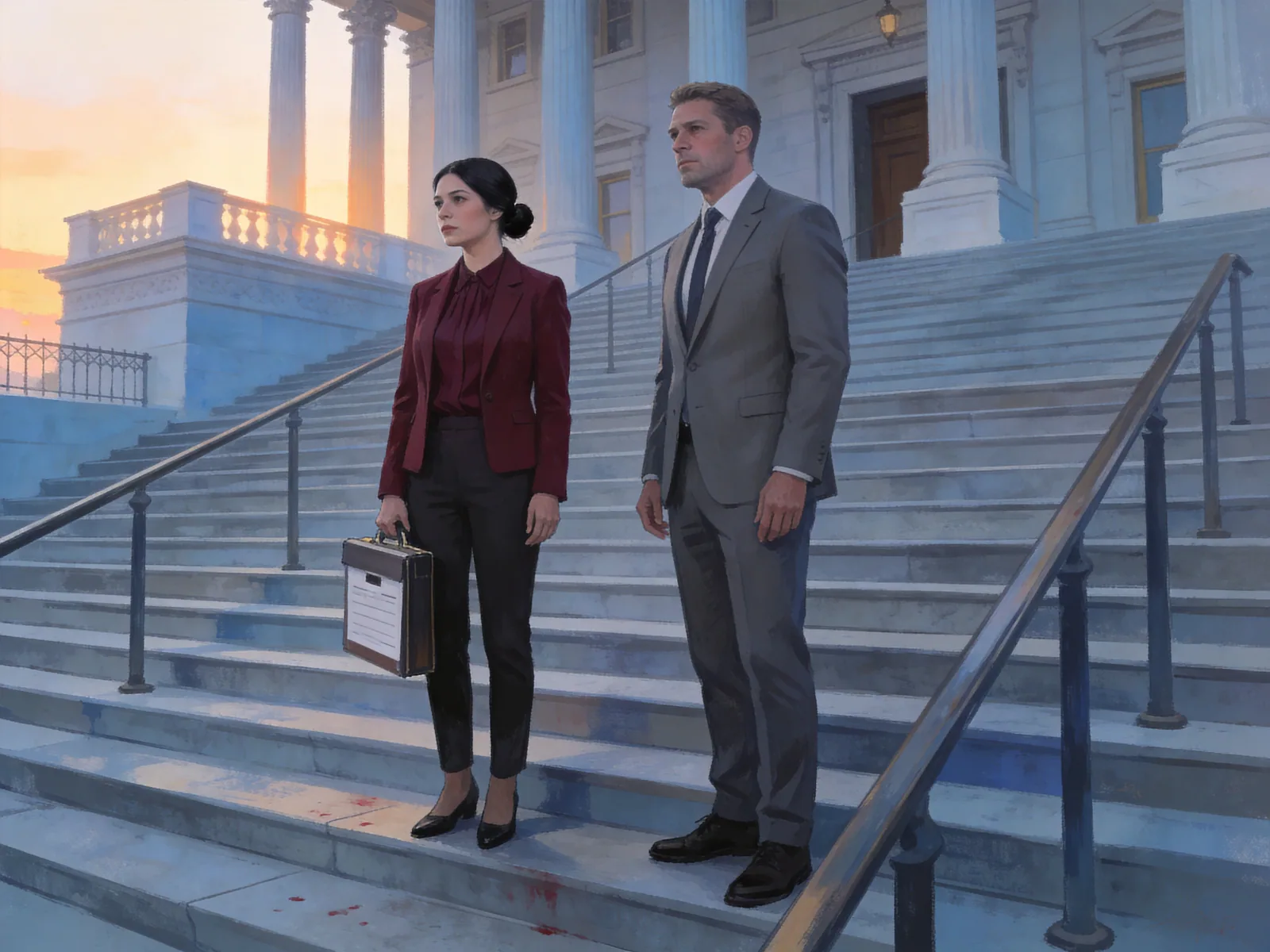


Use evidence and places to make a reversal readable
Our original gallery follows an invented professional through archives, a courthouse exterior and a boardroom. A closed document case or a recovered object suggests evidence without pretending that the viewer can read a specific legal claim. The changing locations show movement from private discovery toward public accountability.
A clear visual sequence needs a consequence between images. Finding a file and arriving at a meeting are different stages; several interchangeable portraits communicate much less. Color and framing can reinforce the change, but the object, decision or relationship should explain why the scene matters.
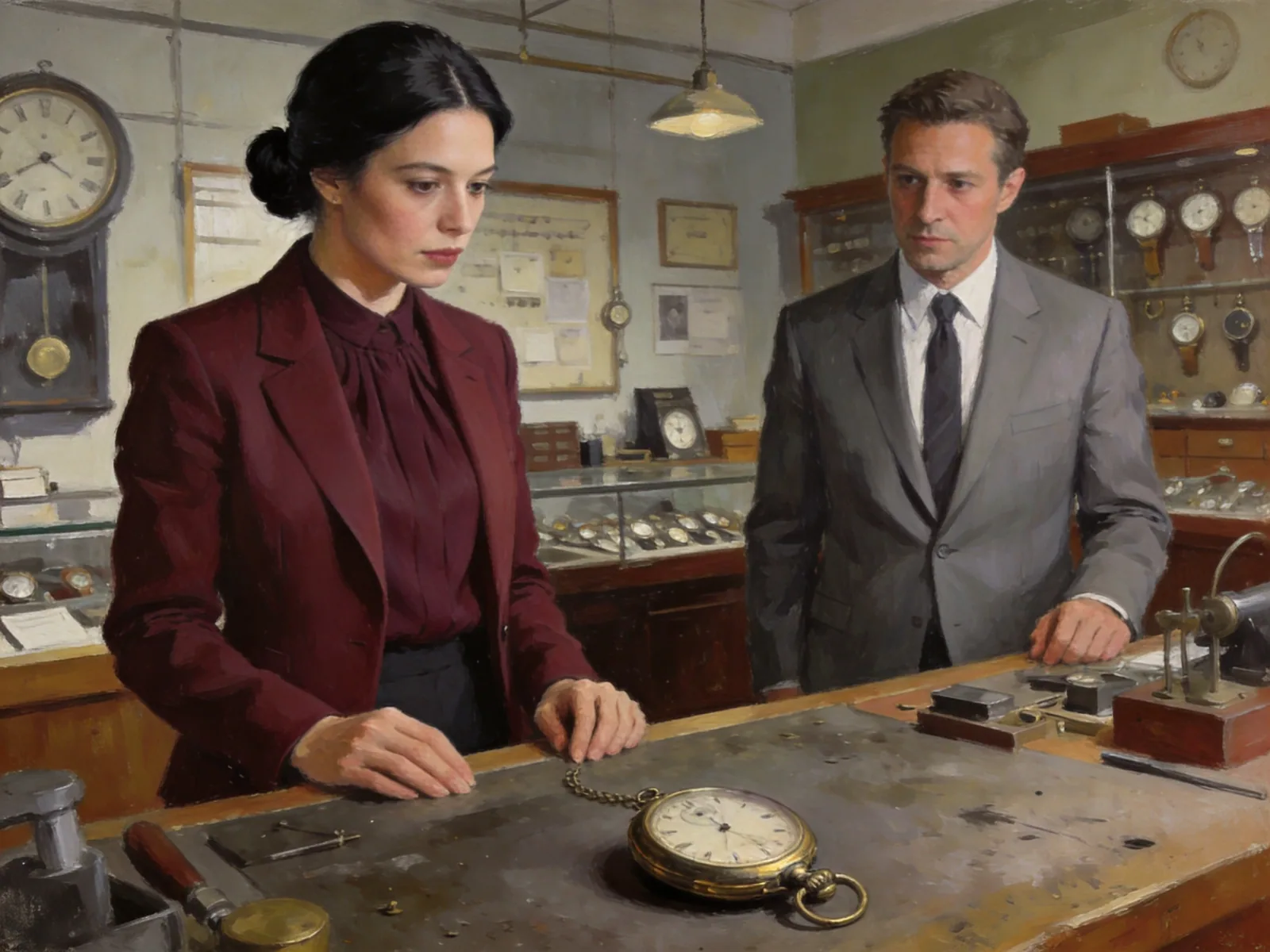


Choose the kind of payoff you want
Some viewers want the identity reveal early, then follow its consequences. Others prefer a gradual investigation or a protagonist rebuilding a life. Read the synopsis for the mechanism and check the released range before expecting the main reversal to be available.
Revenge stories can involve harsh family conflict or violence. Use the individual work’s description to judge its tone. The illustrations in this guide focus on investigation, resolve and recovery; they are independent concepts and do not reproduce violent scenes or certify the tone of an entire linked series.

Read an illustrated story summary
These are separate original story concepts from the site’s reading collection, not adaptations of the recommended dramas.
The Old-Town Cinema · A Letter 020
The old cinema receives an audience letter with no return address; following the seat description in the letter for clues, Qi Yue discovers it is connected to a mistake once made by the projectionist Luo Shen.
Read the story summary →The Living Room Under the Lamp · A Letter 018
While helping He Yuan tidy the living room, Wen Lan finds, behind the bookcase, a letter to an old business partner explaining his withdrawal from the partnership—stamped and ready, but never sent.
Read the story summary →Common questions
Is every revenge drama a rebirth story?
No. Rebirth is one way to give a character another chance. Other stories use a recovered identity, independent resources, a new skill or evidence about the original betrayal.
Can a comeback story also be a romance?
Yes. A relationship may become an alliance, an obstacle or part of the original betrayal. The synopsis should make clear which conflict drives the story.
Are the courtroom and office illustrations real drama stills?
They are original editorial artwork for this genre guide. The linked works have separate title pages with their actual published media.